Years ago, the thought of reading a non-fiction book felt intimidating to me.
Compared to reading fiction, reading non-fiction seemed almost laborious. I had this notion that the text would be more complex and difficult to parse—or that it would take me longer to get through the books if there was no fictional plot to follow.
While taking a break from book blogging and slowing down my reading, I felt that I had more mental capacity and time to choose to read non-fiction over fiction. I quickly learned that all those ideas I had about non-fiction being a big, scary genre were misguided. In reality, I’ve found that some non-fiction books I read are easier to sink my teeth into than fiction stories I’ve drudged through.
That said, here are a couple non-fiction books I’ve enjoyed this year and recommend if you’ve been wanting to dip your toes in the genre.

Solito, Solita: Crossing Borders with Youth Refugees from Central America
Edited by Steven Mayers and Jonathan Freedman
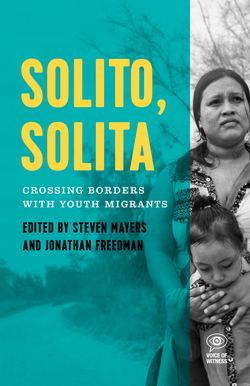
Solito, Solita: Crossing Borders with Youth Refugees from Central America was a striking collection of short stories from youth refugees who have left their home countries in search of a better life in the United States. From the start of the book and up until the last page, it was transparent how much thought and care went into documenting and organizing the powerful individual narratives. I was gripped by how each narrator clearly conveyed such vivid accounts of their lives in their home countries, their unthinkable passages through Central America and Mexico, and their continued endeavors to live on in the United States.
This book touched upon how the United States intervention, along with local governments and violent gangs, had broken down local social systems and endangered indigenous communities. As an effect of these injustices, Solito, Solita highlighted the extraordinary lengths young people will go to secure their most basic human needs. Ultimately, this important and timely collection holds a mirror to the reader, urging us to question what we can do for those who are most vulnerable.
This book was part of Voice of Witness book series. “Voice of Witness (VOW) is a nonprofit that advances human rights by amplifying the voices of people impacted by—and fighting against—injustice through oral history, education, and advocacy” (Voice of Witness – About). Throughout the book, the narrators reference the different ways people helped them in their times of need. In the final section of the book, the editors included concrete strategies readers can utilize to advocate for and support youth refugees. This solidified the value of this book to me—not only in reading it, but in sharing it with others to use as a springboard for action.
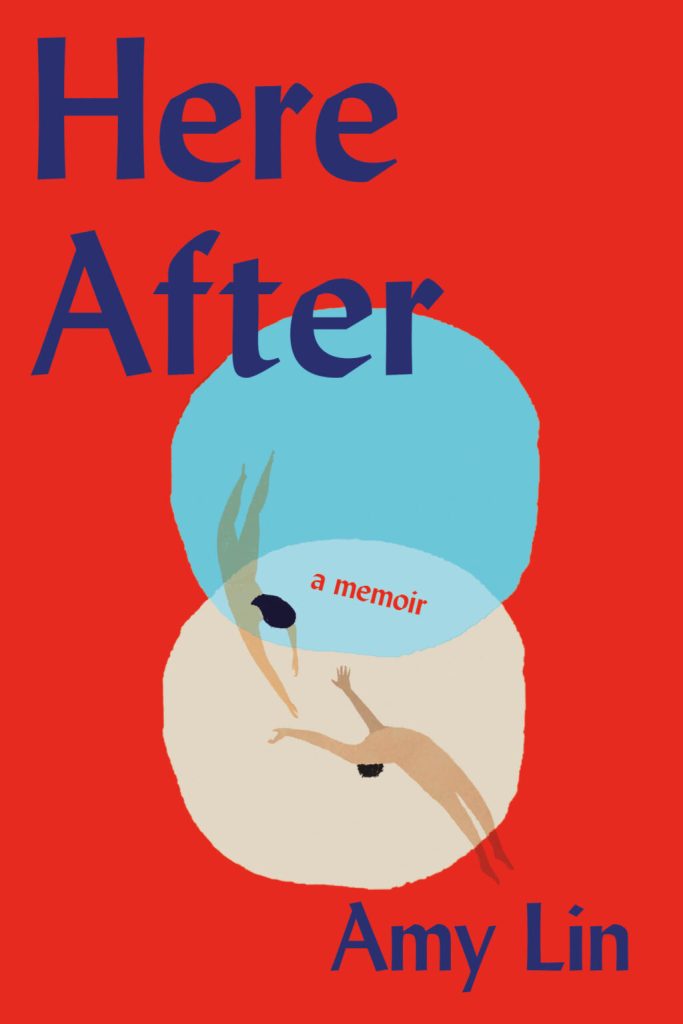
Here After
by Amy Lin
“Let time be tender toward us, I say to him. Let the dishes sit in the sink, let the radio play your favorite song, let the moon pull the tides at will, and, oh, let love be at the end, wherever that may be.
I worry we might divorce. Not that he will die”.
In Here After, Amy Lin recounts the life-altering events and overwhelming grief she faced after the sudden loss of her husband at 32. Amy openly writes about the unimaginable experience with a haunting, rhythmic precision that compelled me to finish the book in one sitting. I appreciated how the narrative flowed non-linearly from one miniature chapter to the next and felt the format naturally captured Amy’s stream of consciousness during her grieving process. It was clear how deeply Amy loved her husband, and it’s admirable how she wrote so unabashedly about such an existential sorrow.

 Belle Can Read